

The friendly wagging tail, the sudden hiss – these common animal signals are often misinterpreted, leading to preventable stress or even dangerous encounters. understanding animal body language requires looking beyond human assumptions and learning the distinct language of animal posture, expressions, and movements. Animals are constantly communicating through these means.
However learning to interpret this non-verbal dialogue isn’t just interesting; it’s a must for building trust, helping maintain safety for both you and the animal, and interacting respectfully.
Misreading animal signals can lead to stress, confusion, or even dangerous situations. This guide helps you understand common signals, recognize critical warnings, avoid common misinterpretations, and use this knowledge well. Because when paying close attention to these signals can strengthen your bond with pets and help keep everyone out of harm’s way during encounters with unfamiliar animals, promoting positive interactions.
Why understanding animal body language matters
Us as humans depend heavily on spoken words, facial expressions, and gestures. Animals possess their own intricate system of non-verbal communication. Grasping this system enables respect for their needs and boundaries.
So when you can tell the difference between a relaxed posture and a sign of stress in an animal, you can respond appropriately. This helps prevent potential conflicts and makes you a better companion or observer. Getting it wrong can cause unnecessary fear or might lead to bites or scratches. That’s why learning about these signals is much better than learning through a painful mistake.
Common animal body language clues to watch for
Now while each species communicates uniquely (a cat’s tail flick means something quite different from a dog’s wag), some general patterns appear across many types of non-verbal cues. Attentive observation is the foundation when trying to understanding animal body language.
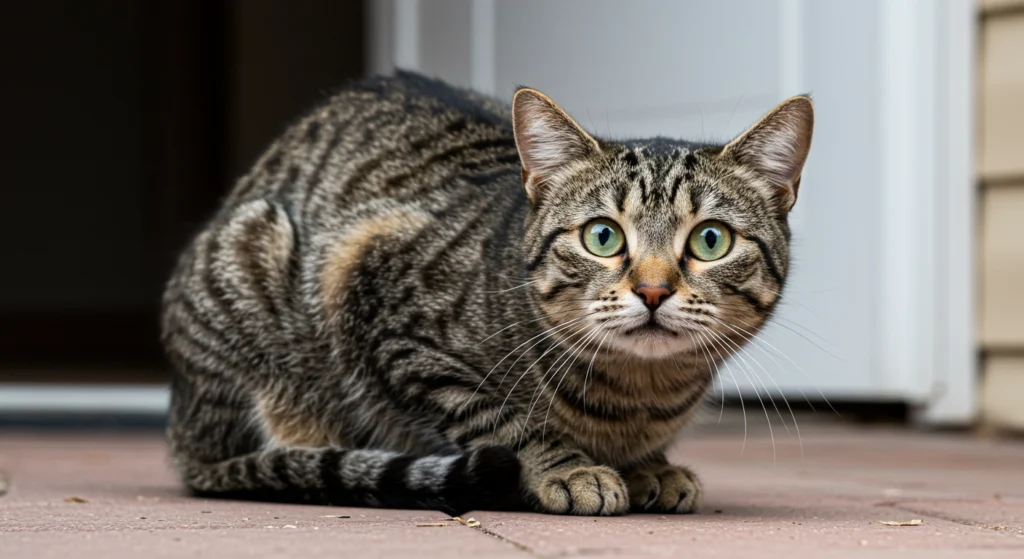
Signals from dogs and cats
Animal body language myths that cause problems
It’s easy to assign human emotions to animal behaviours, leading to risky misunderstandings. Several common myths about animal communication cause problems.
Myth 1: A wagging tail always means a happy animal
Myth 2: Growling always equals aggression
Myth 3: Hissing cats are just being mean
Myth 4: An animal showing its belly always wants a rub
Identifying Approachable vs. Stressed Signals
Recognizing the difference between a relaxed animal and a stressed one is vital for positive interactions.
Signs an animal is likely relaxed (welcome signals)
Signs an animal is stressed or threatened (warning signals)
So if you notice these warning signs, the safest response is usually to slowly and calmly increase distance. Avoid sudden movements or direct staring. Give the animal space to calm down or move away. Understanding these cues promotes well-being.

Applying your understanding of these signals
Now, knowing the theory is one part; using it skillfully for positive interactions requires practice during common encounters.
Sharpening Your Observation Skills
Learning to understanding animal body language effectively opens up a new level of understanding and respect in our interactions with animals. It transforms potentially confusing or dangerous encounters into opportunities for connection.
By taking the time to observe what animals are communicating through their posture, tails, eyes, and sounds, and responding thoughtfully, we build trust and ensure safety for everyone involved. This careful attention leads to richer, safer relationships with the animals we share our lives and planet with. Keep observing, stay safe, and appreciate the depth of non-verbal communication around you.


