


Remember that intense scene in that displayed a masterclass of Emotional Manipulation in Training Day? Not the overall chaos, but the quiet advice from veteran cop Roger to rookie Jake?
“You got to control your smiles and cries because that’s all you have, and nobody can take that away from you.”
Roger, Training Day
Delivered by Scott Glenn, it’s a stark piece of wisdom about emotional armor in a dangerous world. Although Roger spoke of self-control for survival, his partner, the infamous Alonzo Harris played by Denzel Washington, demonstrated a darker side: weaponizing emotions to control others. Training Day offers a compelling, if fictional, look into the dynamics of emotional manipulation, a dynamic that exists far beyond the screen.
Understanding this difference between guarded expression and outright manipulation helps us recognize emotional manipulation and power dynamics everywhere. We will examine what emotional manipulation involves, how it works, where we encounter it, its destructive nature, and how to foster more genuine interactions.
What Exactly is Emotional Manipulation?
Emotional manipulation primarily involves using emotions, yours or theirs, to influence or control someone else’s behavior, thoughts, or feelings for personal gain. It’s not the same as honest persuasion, which respects autonomy. Instead, manipulators frequently use subtle tactics aimed at vulnerabilities like kindness, guilt, or insecurity.
Examples include emotional appeals, guilt trips, or exaggerated displays designed to get a specific reaction. Recognizing these patterns is the first step toward identifying potentially manipulative behavior.
Common Emotional Manipulation Tactics
Common emotional manipulation tactics often include:
Recognizing these basic patterns is the first step toward recognizing these tactics.
Emotional Manipulation in Training Day
Roger’s advice to Jake highlights a specific kind of emotional management. His words suggest controlling your own outward displays (“smiles and cries”) as a form of self-protection or projecting strength in a predatory environment. It’s about managing how others perceive you by carefully curating your visible emotions.
This idea acknowledges that basic human expressions carry weight and can be strategically withheld or managed. Although not inherently malicious like Alonzo’s actions, this conscious control is related to emotional influence.
Why Calculated Emotions Have Power
Whether it’s Roger’s guarded approach or Alonzo’s active manipulation, why are managed emotions so effective? The answer lies partly in human psychology. We are susceptible to emotional contagion; being around someone intensely sad or happy can shift our own mood. Manipulators exploit this, sometimes faking emotions to influence decisions subtly.
Society gives us unwritten rules for responding to emotions. Tears tend to prompt sympathy; anger can make people back down. People adept at manipulation understand and use these social scripts. Strong emotional appeals can sometimes bypass logical thinking. Cognitive biases mean a convincing performance can trigger sympathy, causing someone to ignore warning signs. These influence tactics exploit natural human responses.
Alonzo Harris as a Masterclass in Emotional Manipulation Tactics
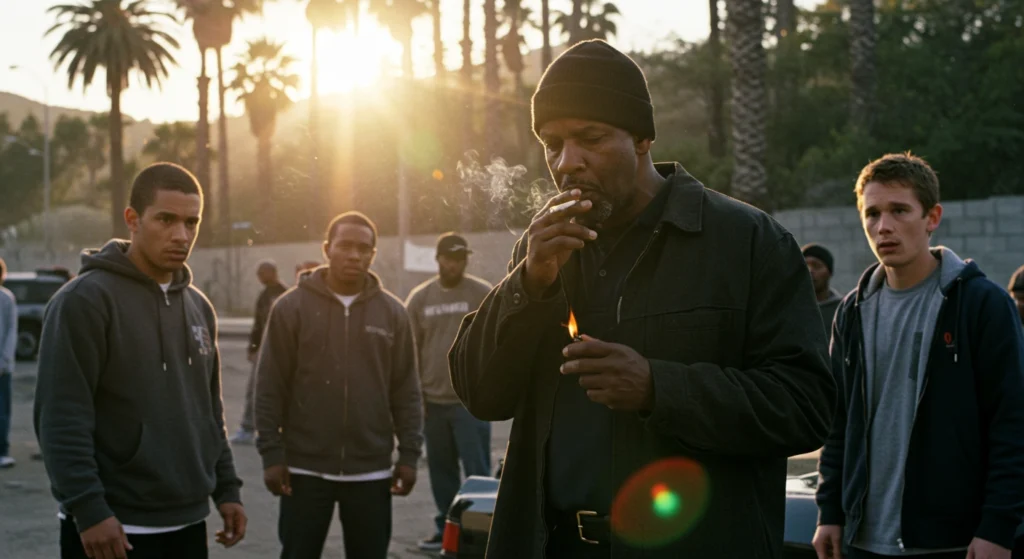
Detective Alonzo Harris is where the focus moves from Roger’s self-control advice to active, destructive emotional manipulation depicted in Training Day. Alonzo masterfully uses emotions to dominate and corrupt Jake Hoyt (Ethan Hawke). He swings wildly between being a charismatic mentor and a terrifying bully, keeping Jake off-balance, afraid, and seeking his approval.
This constant push-pull is a potent technique, creating uncertainty and dependency. Alonzo stays in control by being unpredictable. He employs twisted rewards, using a form of operant conditioning. Jake gets praise or money for going along with corruption but faces threats or isolation if he hesitates. Alonzo reinforces this by confidently modeling the corrupt behavior himself, normalizing extreme actions through his manipulative emotional front. His performance is a chilling illustration of weaponized charisma and intimidation, showcasing effective, albeit destructive, emotional manipulation tactics.
Spotting Emotional Manipulation Beyond the Screen
Alonzo is an extreme character, but his manipulative methods occur in less dramatic forms daily:
How Can You Spot Emotional Manipulation?
Trusting your gut feeling is a good start, but watch for patterns:

The Inevitable Fallout of Emotional Manipulation
Using emotional manipulation can seem like a path to power, as it initially did for Alonzo. But it almost always fails in the long run. The consequences are severe:
How to Respond When Dealing with Emotional Manipulation
What if you suspect someone is manipulating you? Or what if you recognize some of these tendencies in yourself? Focusing on authenticity and clear boundaries is helpful when dealing with emotional manipulation.
Developing Emotional Self Awareness
Understanding your own emotional triggers is helpful. What makes you vulnerable to guilt trips or flattery? Knowing your weak spots helps you build resilience against manipulation.
More Than Controlling Smiles and Cries
Training Day uses Roger’s line and Alonzo’s actions to show different facets of emotional control. Although Roger advised managing outward expressions for self-preservation, Alonzo demonstrated the destructive power of active emotional manipulation. Genuine strength isn’t found in performing emotions or controlling others through deceit.
It comes from learning how to spot emotional manipulation, setting firm boundaries for respectful interaction, and choosing honesty even when it’s difficult. By practicing self-awareness and assertive communication, we can reject manipulation and cultivate the authentic connections Alonzo’s methods destroyed. Building genuine connections requires authenticity, not a carefully managed display.


